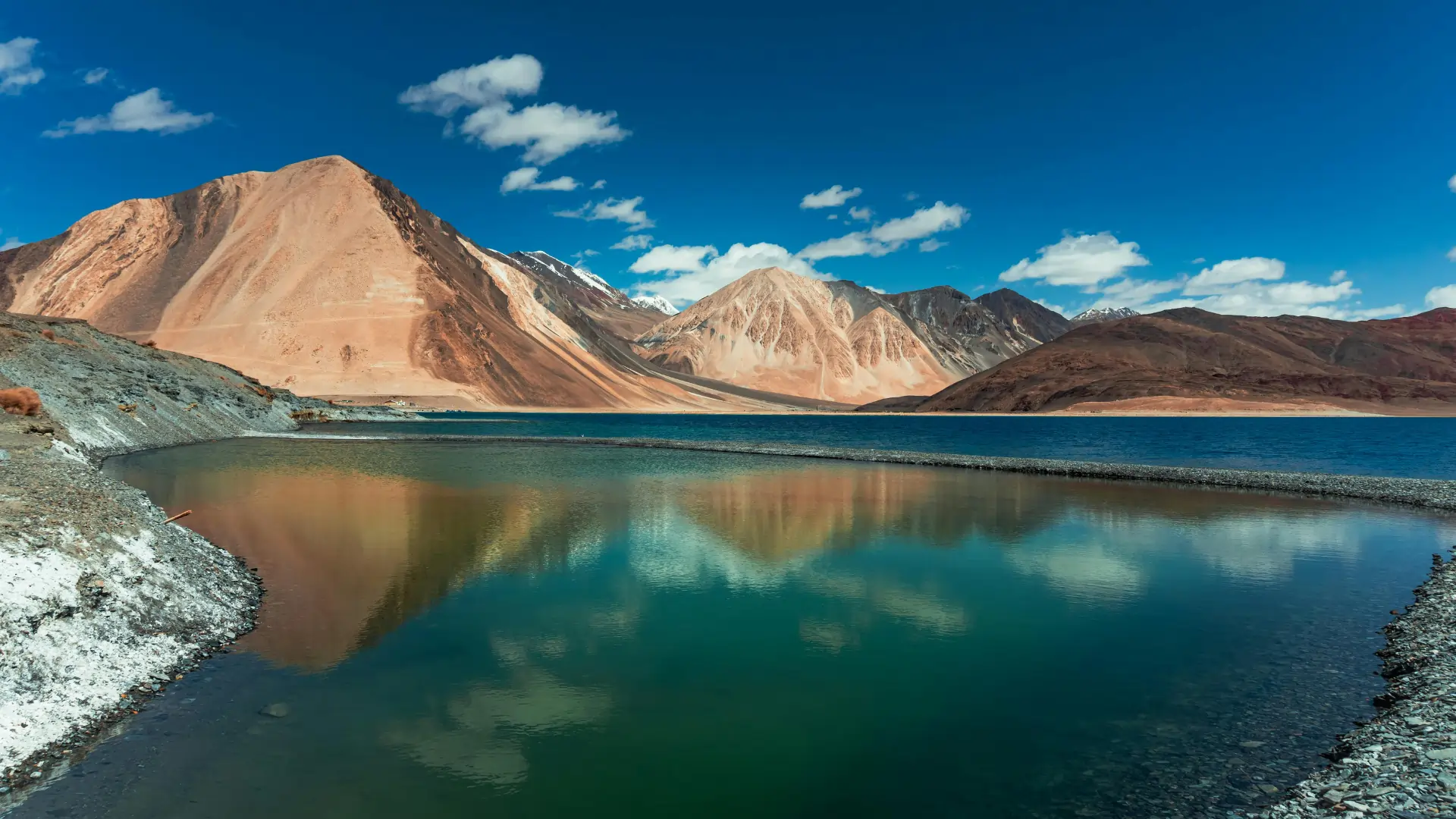










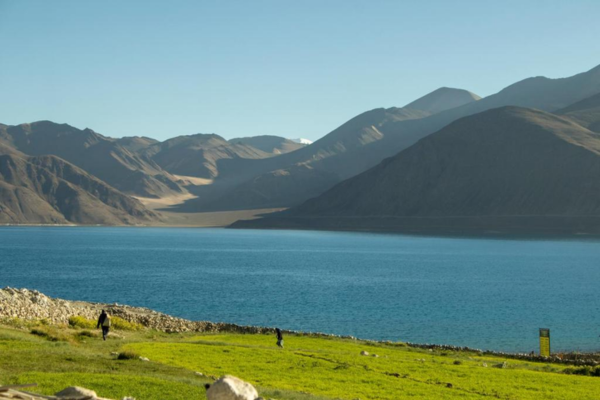
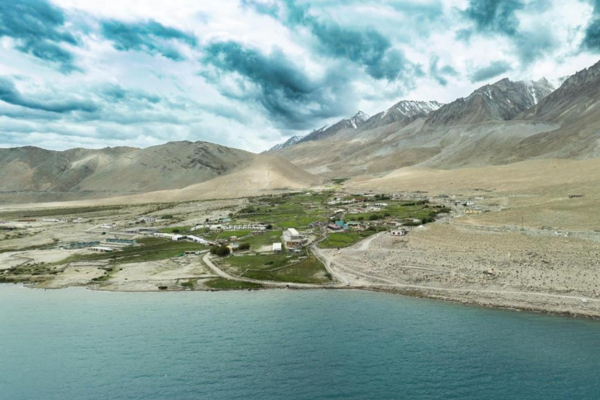
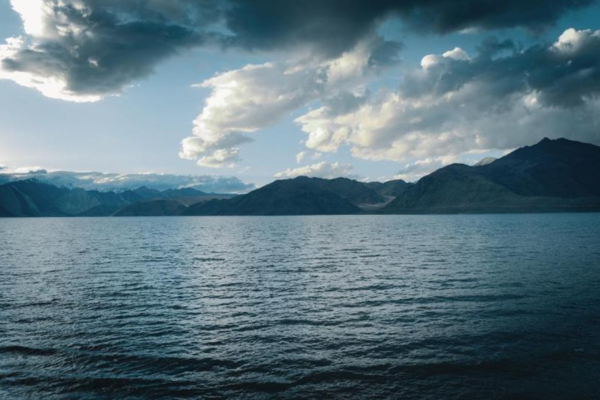

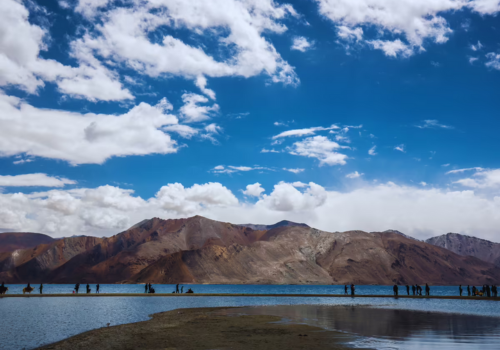
Ladakh, known as the "Land of High Passes," is home to some of the most breathtaking high-altitude lakes in the world. Among them, Pangong Tso stands out with its crystal-clear blue waters, stretching from India to China. Another gem, Tso Moriri, is a serene lake surrounded by snow-capped mountains and a haven for migratory birds. These lakes, located at elevations above 14,000 feet, offer stunning reflections of the sky and mountains, creating a magical, mirror-like effect. Visiting these lakes is a surreal experience, making them a must-see for nature lovers, photographers, and adventure seekers exploring the beauty of Ladakh.
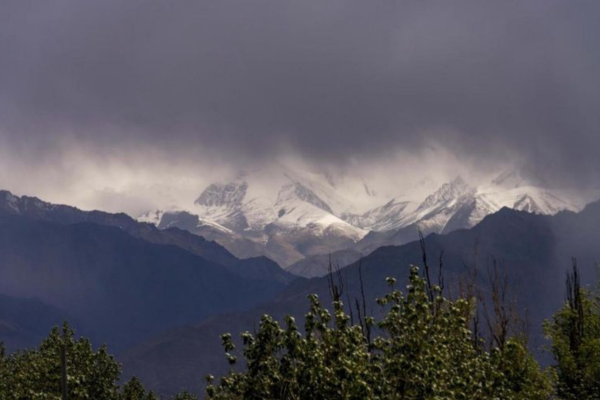
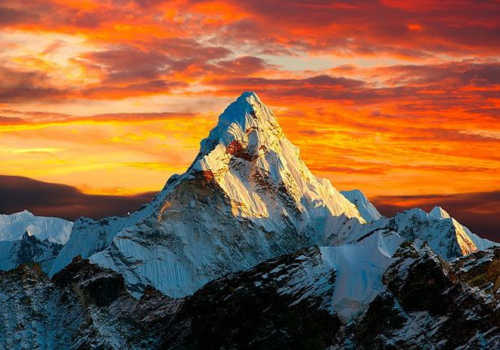
Ladakh, nestled in the northern Himalayas, is renowned for its majestic snow-capped mountains that create a dramatic and awe-inspiring landscape. These towering peaks, including parts of the Karakoram and Zanskar ranges, remain blanketed in snow for most of the year, offering breathtaking views and a sense of serene isolation. Popular mountains like Stok Kangri and Nun Kun attract trekkers and climbers from around the world. The glistening snow against the clear blue skies makes Ladakh a photographer’s paradise. These mountains not only define Ladakh’s rugged beauty but also shape its climate, culture, and adventurous spirit, making it a must-visit destination.

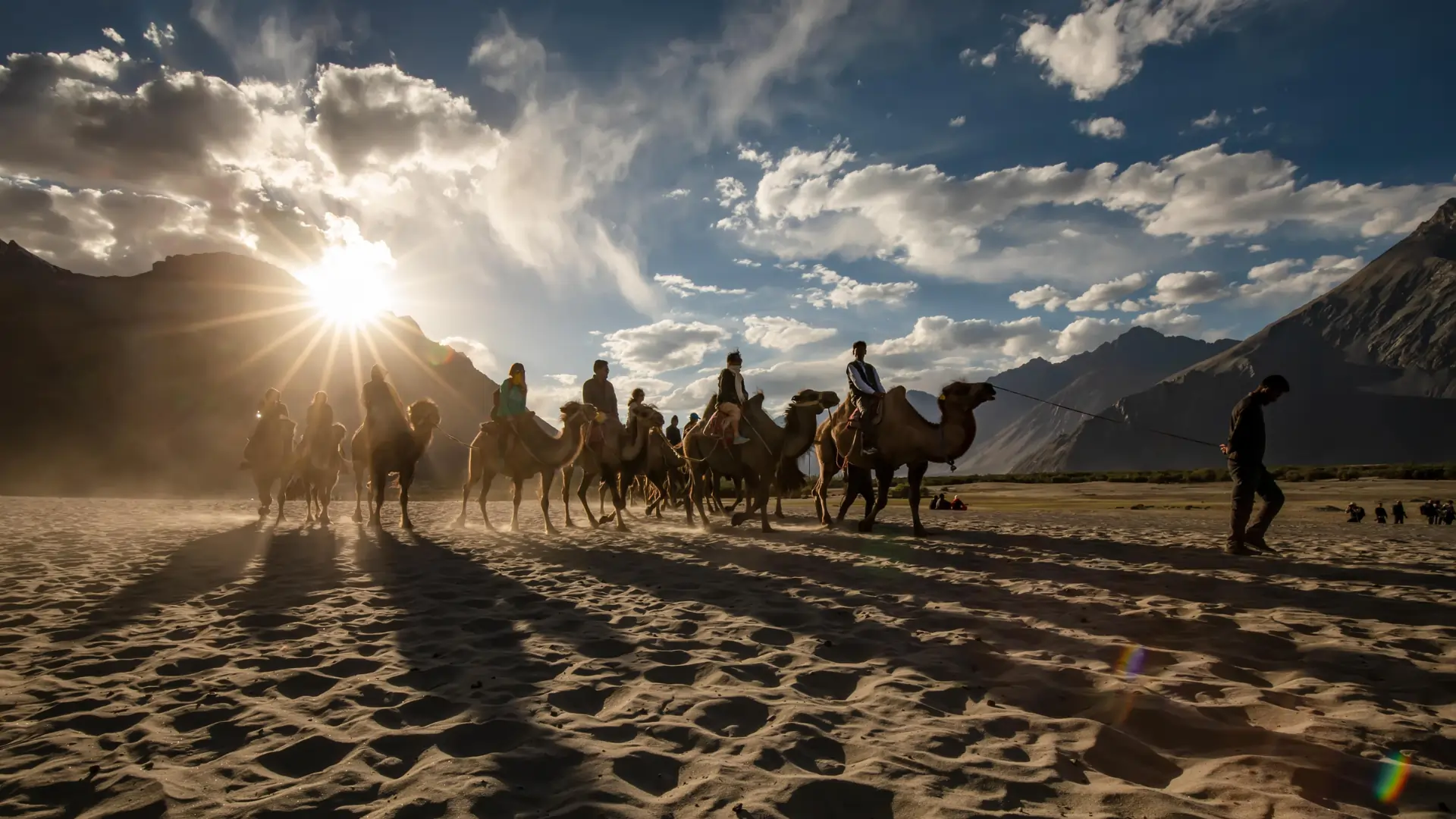
Ladakh is home to some of the world’s highest cold desert valLehs, with **Nubra ValLeh** being the most famous. Located at an altitude of over 10,000 feet, Nubra is a unique landscape where vast stretches of sand dunes meet snow-capped peaks. The valLeh, formed by the confluence of the Shyok and Nubra rivers, offers stunning contrasts—lush green villages, barren mountains, and golden desert sands. The Hunder sand dunes, home to rare double-humped Bactrian camels, add to its charm. Nubra ValLeh’s stark beauty, rich culture, and surreal terrain make it one of Ladakh’s most captivating and unforgettable desert destinations.
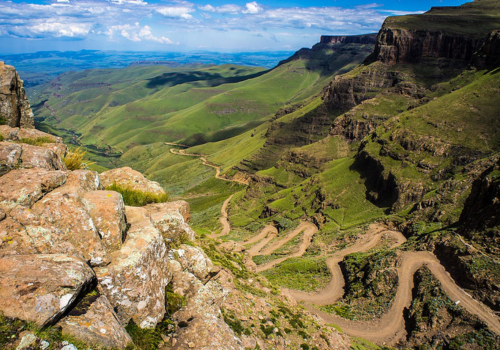
Ladakh is famous for its high-altitude mountain passes that offer breathtaking views and thrilling adventures. These passes, nestled in the Himalayas, connect remote valLehs and regions while showcasing Ladakh's rugged beauty. **Khardung La**, one of the highest motorable passes in the world at 18,380 feet, is a popular route to Nubra ValLeh. **Chang La**, en route to Pangong Lake, challenges travelers with its steep climbs and icy winds. **Zoji La** and **Baralacha La** are other iconic passes that test endurance and reward with stunning vistas. These high-altitude passes are gateways to adventure, culture, and the raw wilderness of Ladakh.
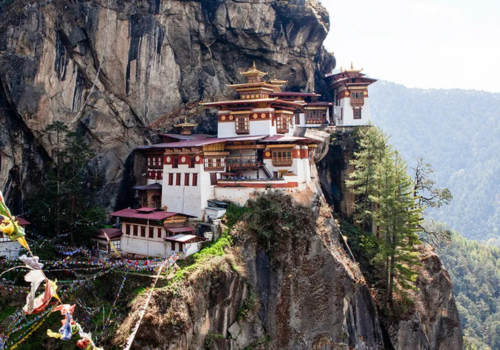
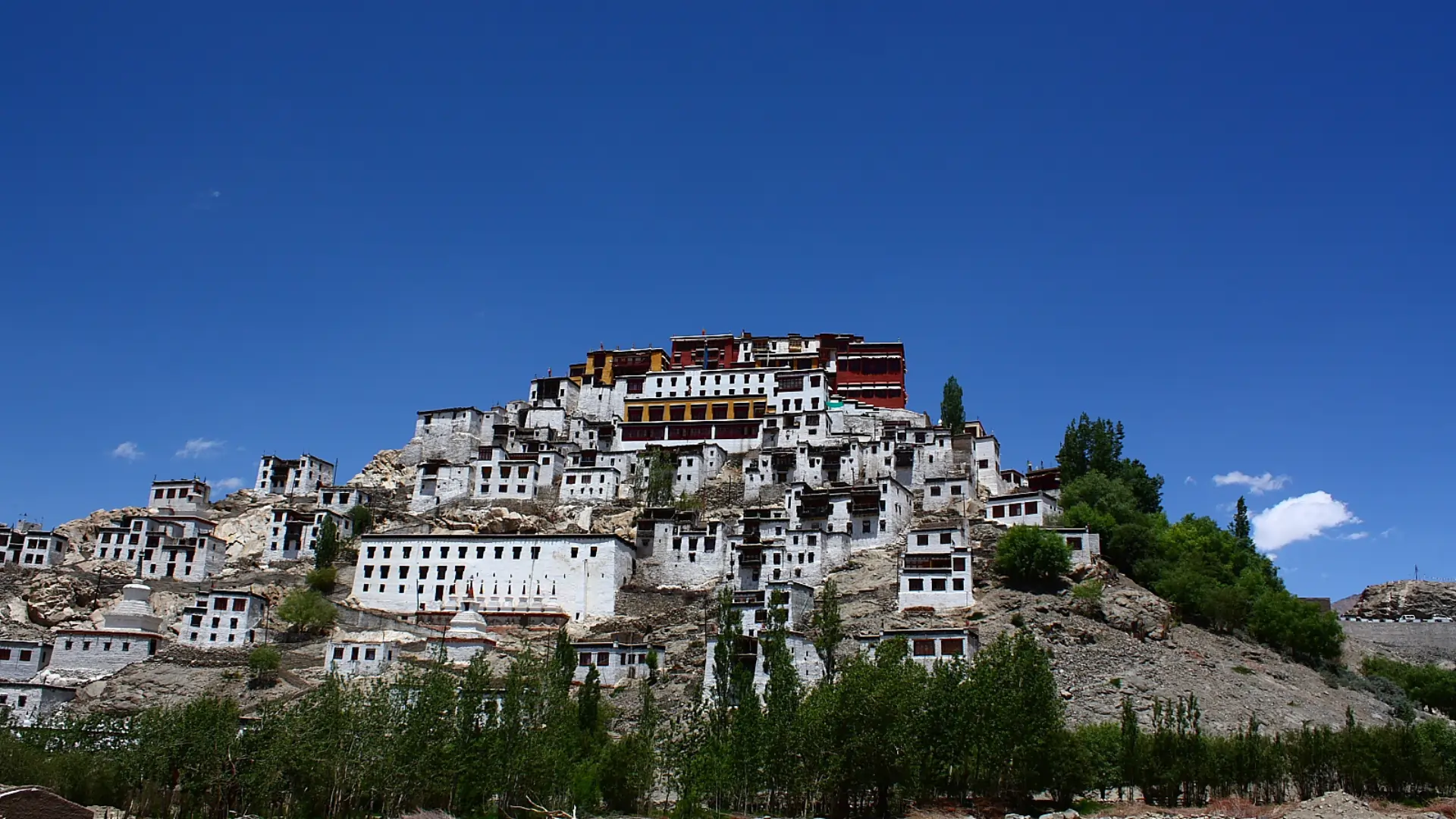
Ladakh is a spiritual haven, home to centuries-old Buddhist monasteries that reflect its rich cultural and religious heritage. Perched on hilltops or nestled in remote valLehs, these monasteries offer peace, stunning architecture, and breathtaking views. **Hemis Monastery**, the largest in Ladakh, is renowned for its annual festival and vibrant masked dances. **Thiksey Monastery**, resembling Tibet’s Potala Palace, is known for its impressive statue of Maitreya Buddha. Other notable ones include **Diskit**, **Alchi**, and **Lamayuru**, each with unique murals, scriptures, and history. Visiting these monasteries provides insight into Ladakhi Buddhism and a serene escape amidst the region’s rugged beauty.
Stupas in Ladakh are sacred Buddhist structures symbolizing peace, enlightenment, and the teachings of the Buddha. These white-domed monuments are scattered across the region, often situated on hilltops or near monasteries, offering spiritual significance and stunning views. One of the most iconic is the Shanti Stupa in Leh, built by Japanese monks to promote world peace. It overlooks the Leh valLeh and offers a panoramic view of the mountains and town. Stupas like these serve as places of meditation and prayer for locals and visitors alike. Their serene presence adds to Ladakh's spiritual atmosphere and timeless cultural charm.
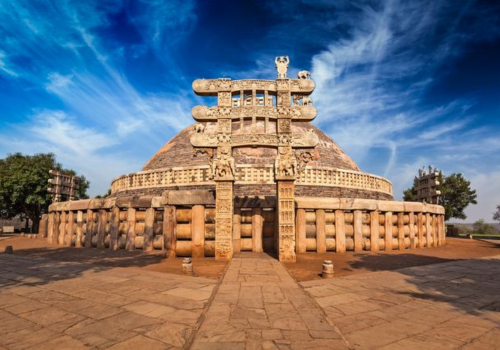
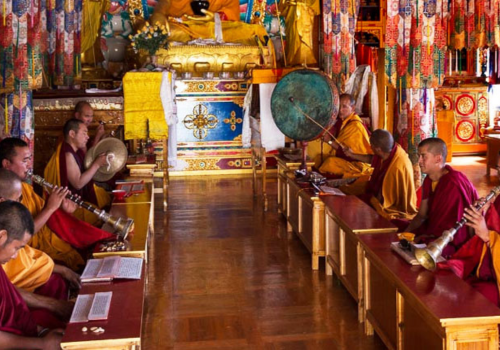
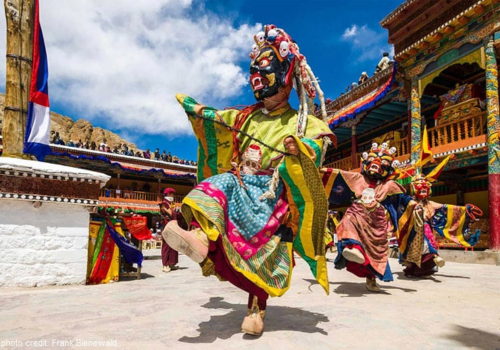
Buddhist culture in Ladakh is deeply woven into the region’s daily life, traditions, and identity. Influenced by Tibetan Buddhism, it is reflected in Ladakh’s monasteries, festivals, art, and rituals. Monasteries serve as spiritual centers where monks study ancient scriptures and perform traditional ceremonies. Festivals like **Hemis Tsechu** feature colorful masked dances and attract visitors from around the world. Prayer wheels, stupas, and mani walls with carved mantras are common sights across the landscape. The values of compassion, peace, and mindfulness guide the Ladakhi way of life. This rich Buddhist heritage gives Ladakh its unique spiritual charm and cultural depth.
Festivals in Ladakh are vibrant celebrations that showcase the region’s rich cultural and spiritual heritage. Rooted in Tibetan Buddhism, these festivals are held mostly in monasteries and feature colorful costumes, masked dances, and traditional music. The most famous is the **Hemis Festival**, celebrated at Hemis Monastery, honoring Guru Padmasambhava with elaborate Cham dances. **Losar**, the Tibetan New Year, marks new beginnings with rituals, feasts, and family gatherings. Other notable festivals include **Phyang Tsedup**, **Ladakh Festival**, and **Dosmoche**, each offering unique local traditions and performances. These lively events bring communities together and offer a deep insight into Ladakh’s spiritual and cultural life.
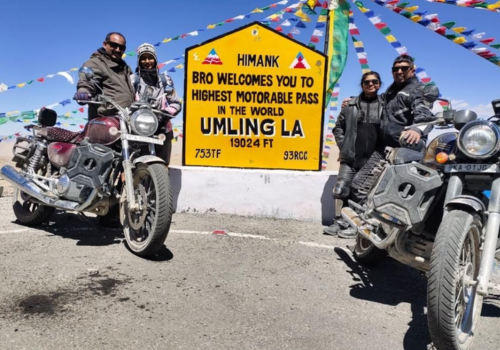
The highest motorable road in Ladakh is the **Umling La Pass**, situated at an altitude of around **19,024 feet (5,798 meters)** above sea level. It surpasses the more famous Khardung La and offers breathtaking views of the rugged Himalayan landscape. Umling La connects the remote villages of Chisumle and Demchok near the Indo-China border. This engineering marvel is not only a strategic road but also a thrilling destination for adventure seekers and bikers. Its extreme altitude and pristine beauty make it one of the most iconic and challenging motor routes in the world, symbolizing India's infrastructural achievements.
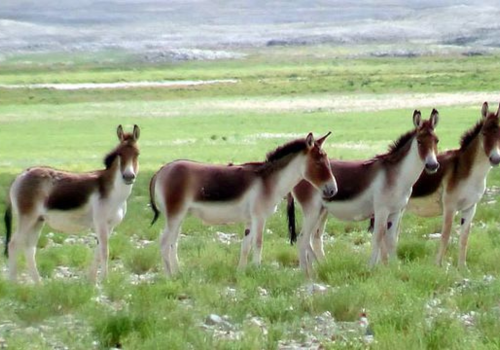
Ladakh, with its high-altitude cold desert landscape, hosts a unique variety of wildlife adapted to harsh conditions. The region is home to rare and endangered species like the **Snow Leopard**, **Tibetan Wild Ass (Kiang)**, **Himalayan Blue Sheep (Bharal)**, and **Himalayan Marmot**. Birds such as the **Black-necked Crane**, **Lammergeier**, and **Golden Eagle** can also be spotted, especially in the wetlands of Tso Moriri and Pangong Lake. Protected areas like **Hemis National Park** serve as vital habitats for these species. The rich biodiversity of Ladakh offers a rare glimpse into the wildlife of one of the highest and coldest inhabited regions on Earth.
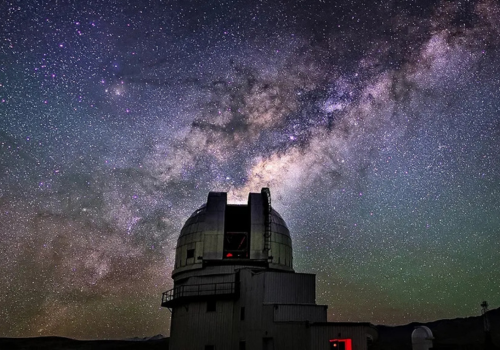
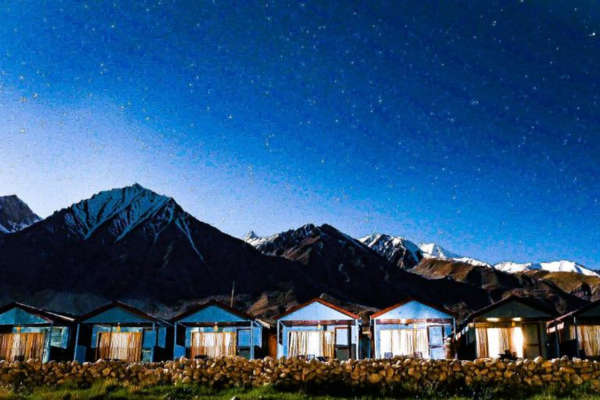
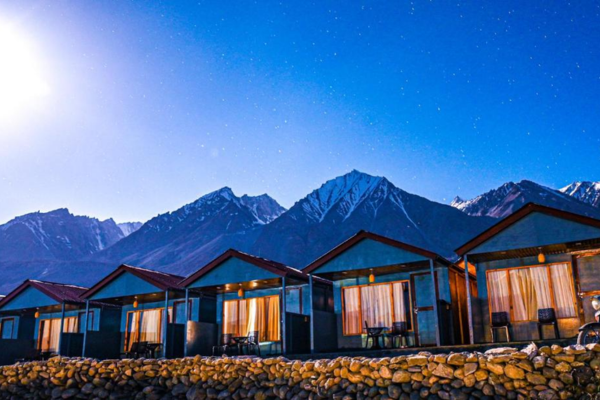
Ladakh is one of the best places in India for stargazing, thanks to its high altitude, clear skies, and low light pollution. The dry atmosphere and minimal humidity provide excellent visibility of celestial bodies. Popular spots like **Hanle**, home to the **Indian Astronomical Observatory**, and **Pangong Lake** offer breathtaking views of the Milky Way, constellations, and shooting stars. Stargazing in Ladakh is a magical experience, especially during the new moon phase. The serene night sky dotted with countless stars makes it a paradise for astronomy enthusiasts and photographers seeking to capture the beauty of the universe.
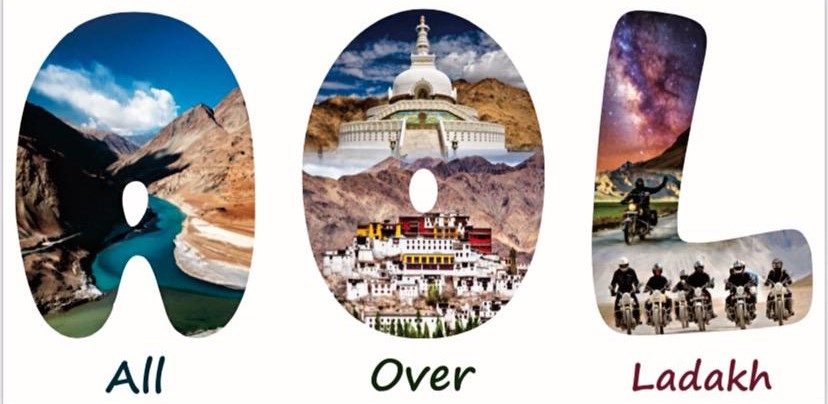
All Over Ladakh offers unforgettable travel experiences, showcasing Ladakh’s beauty, culture, and adventure through expertly guided tours.
+91 733 830 6786
info@alloverladakh.com
Copyright © All over ladakh. All Rights Reserved.
Designed by Webgrowindia